A photograph of a white supercar
Prompt

Builder

Copy & Paste Cameras, Lighting & Styles

Your Prompt:
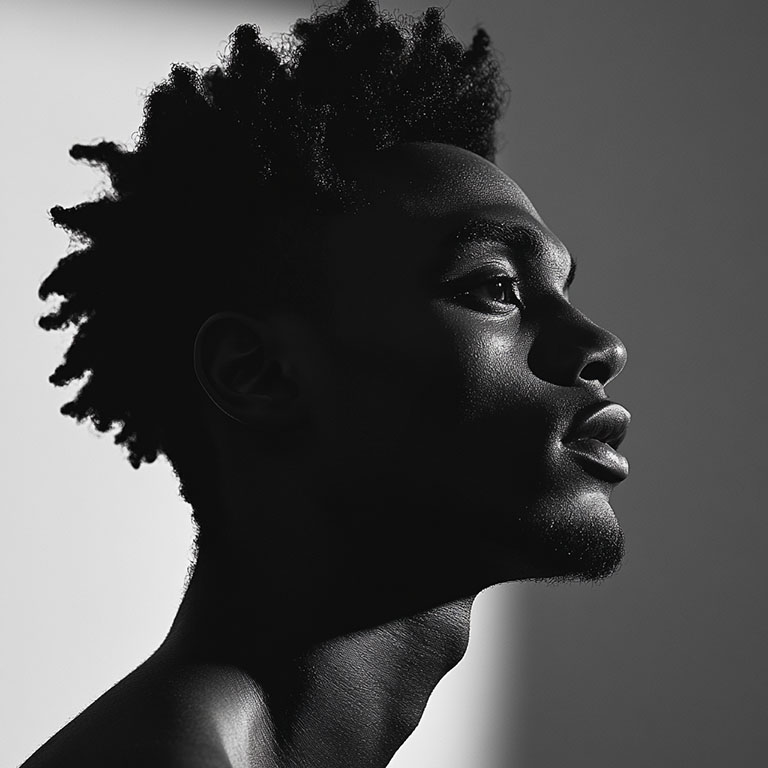
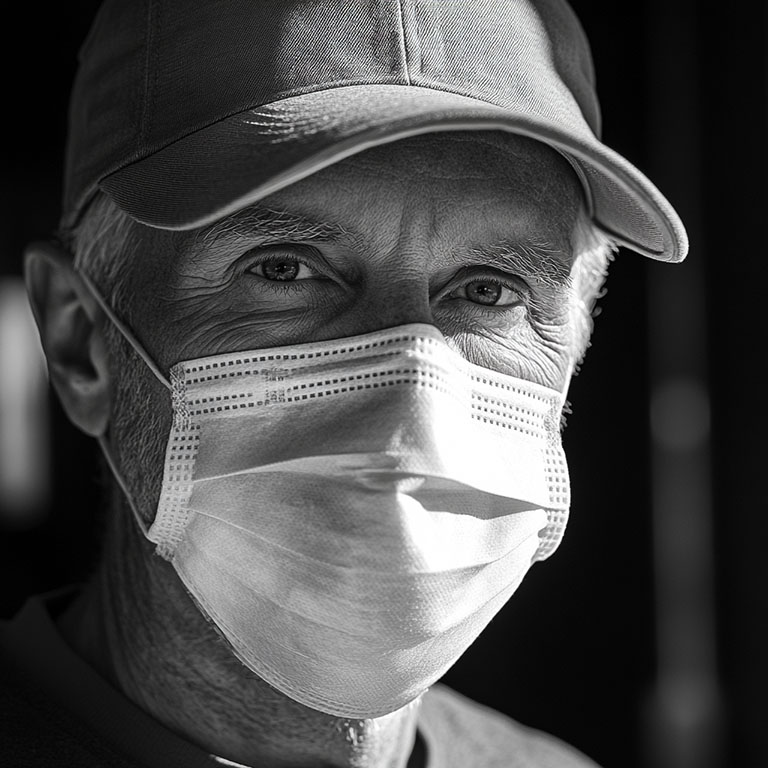
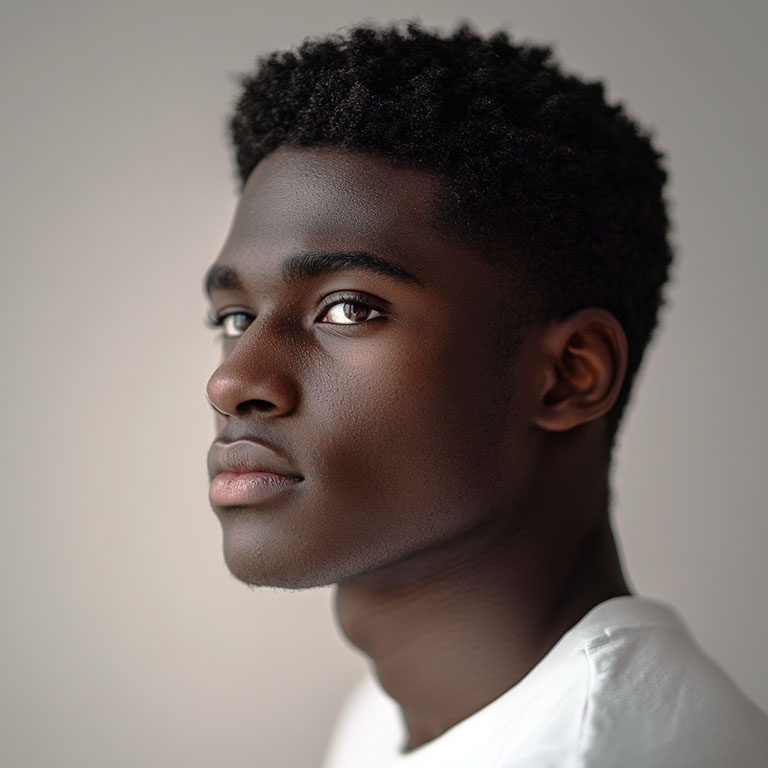
Portrait Photography

Portrait photography captures the essence and personality of individuals.

Street Photography

Documents candid moments of everyday life in urban or public settings

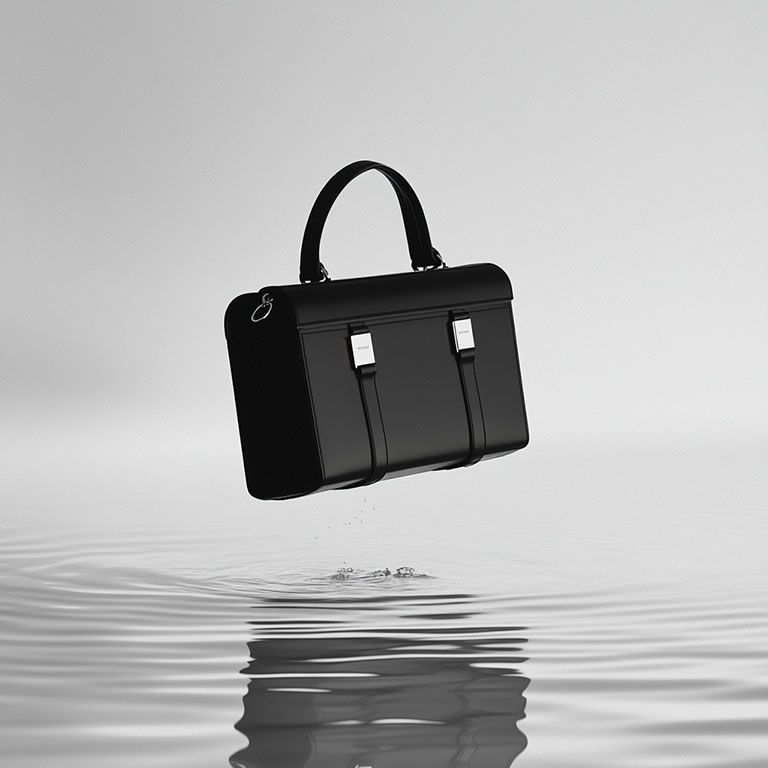
Product Photography

Product photography highlights items/objects with clarity and appeal to showcase features.

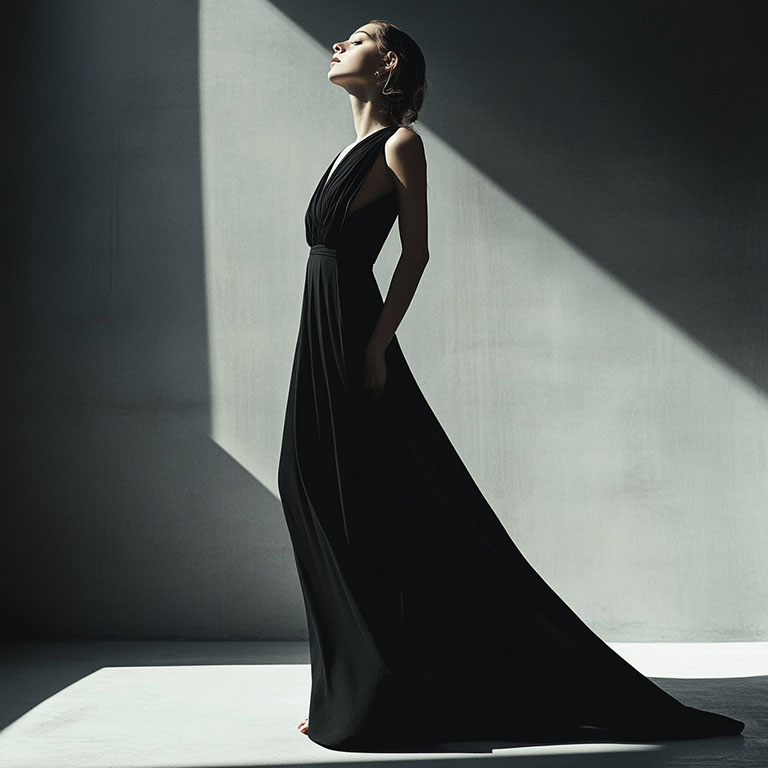
Fashion Photography

Focuses on clothing and accessories, blending style and artistry to tell a story

Documentary Photography

Captures real events and stories with authenticity and emotional depth

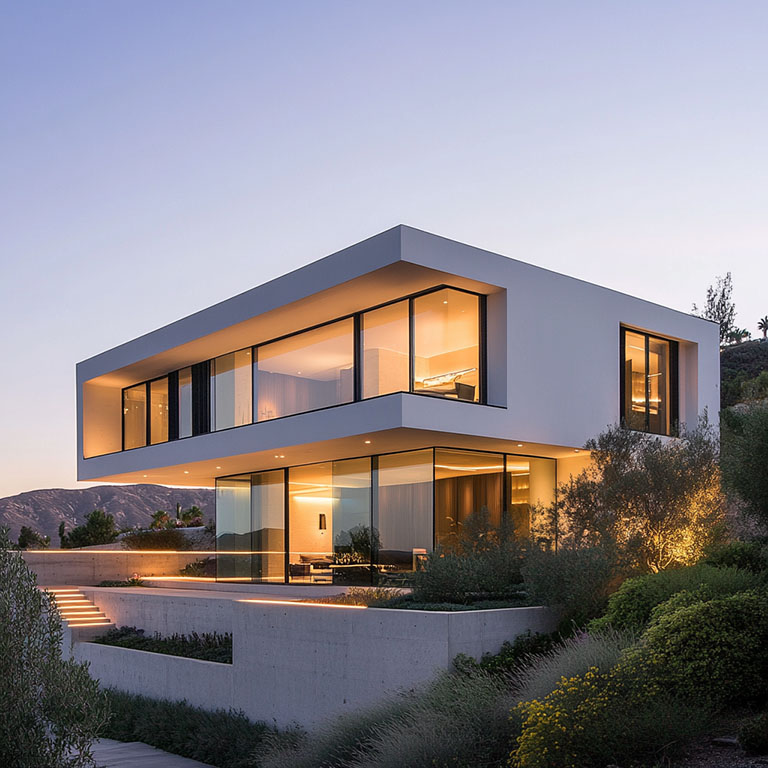
Architectural Photography

Highlights the design, structure, and beauty of buildings and spaces

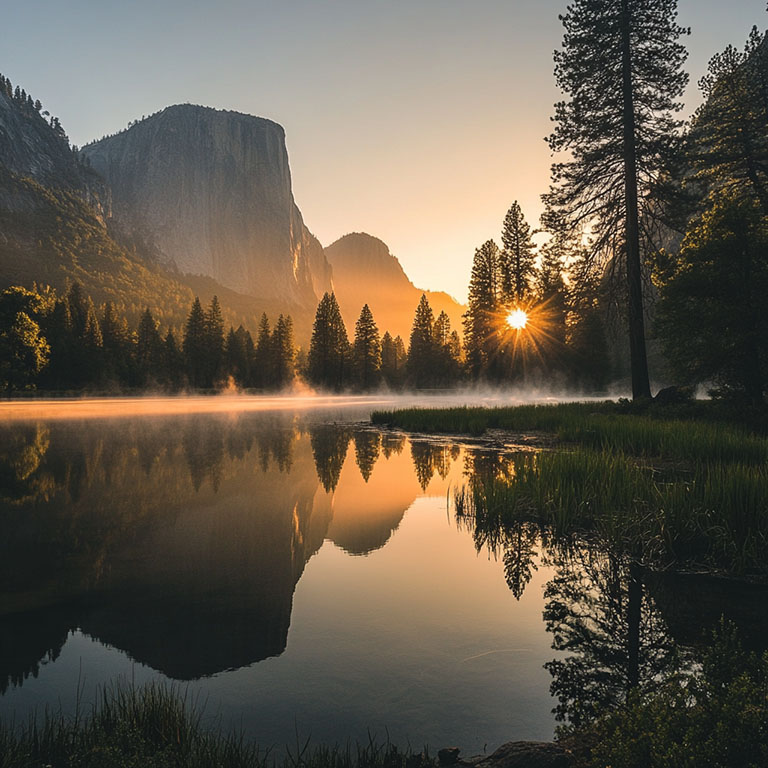
Landscape Photography

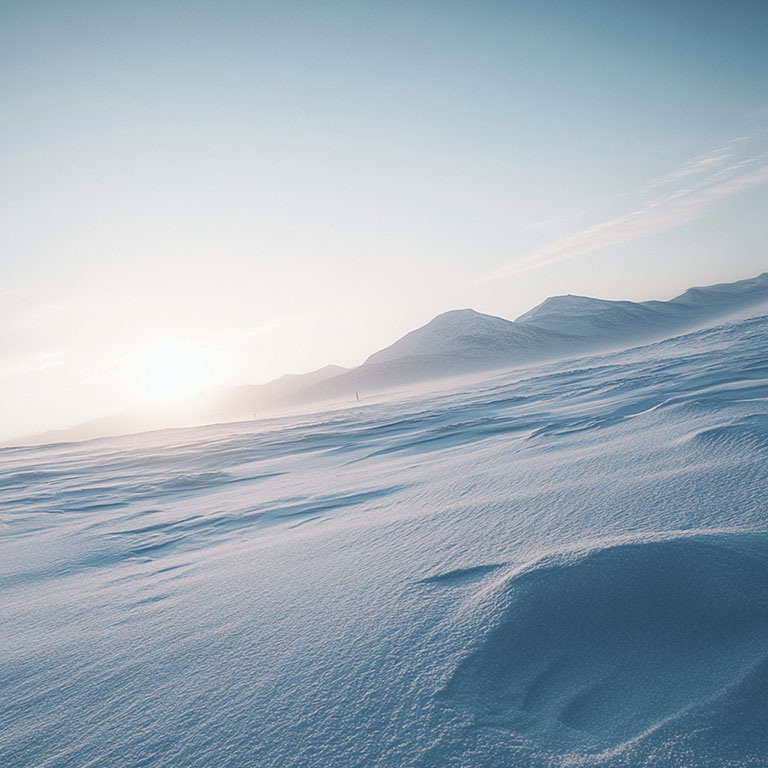
Depicts natural or man-made scenery, emphasising beauty, scale, and mood

Food Photography

Showcases dishes and ingredients in appetizing, visually pleasing compositions

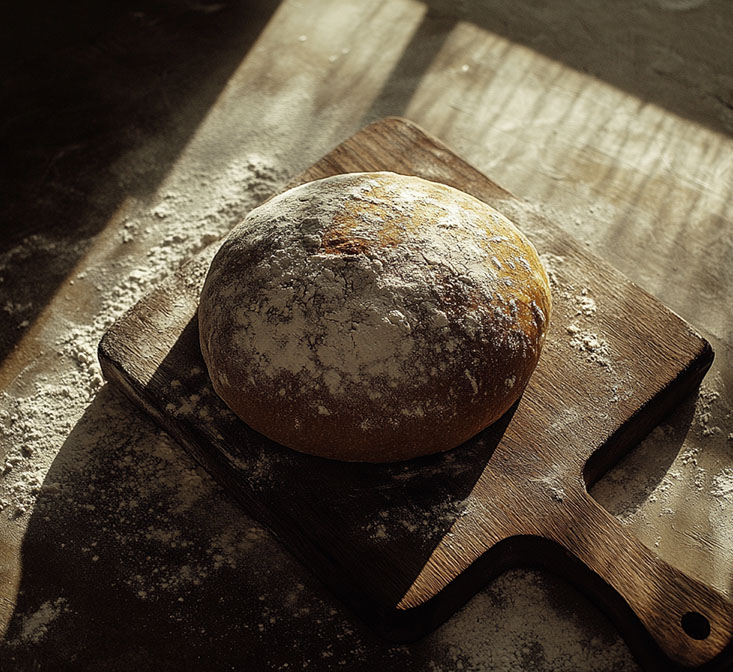
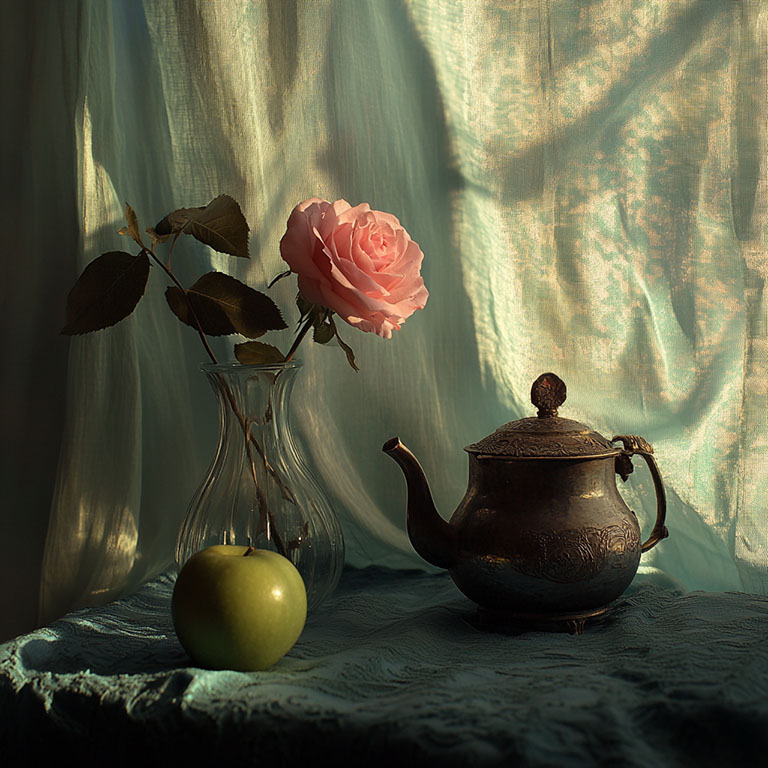
Still Life Photography

Features arranged inanimate objects to create artistic or thematic compositions

High-Key Photography

Uses bright lighting to create images with minimal shadows and a clean look

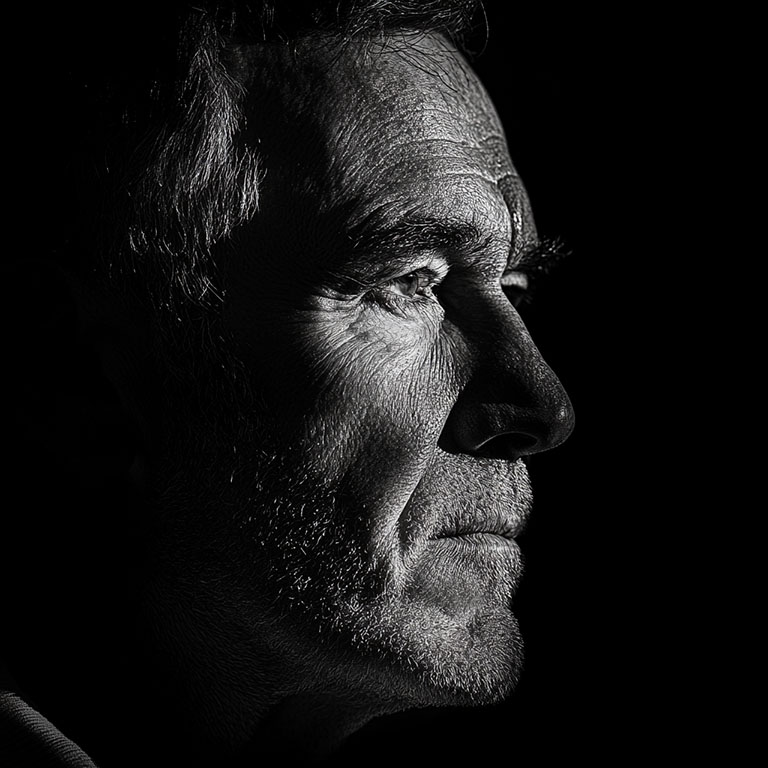
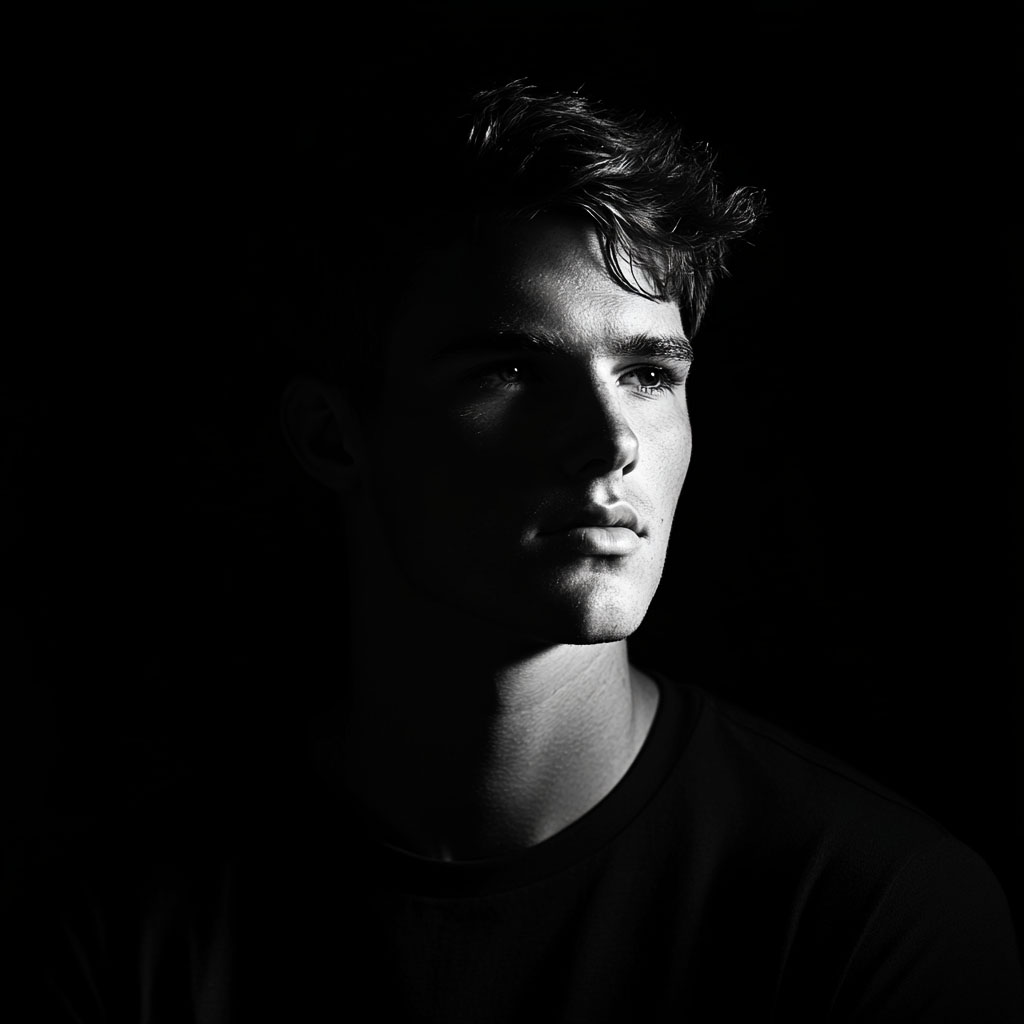
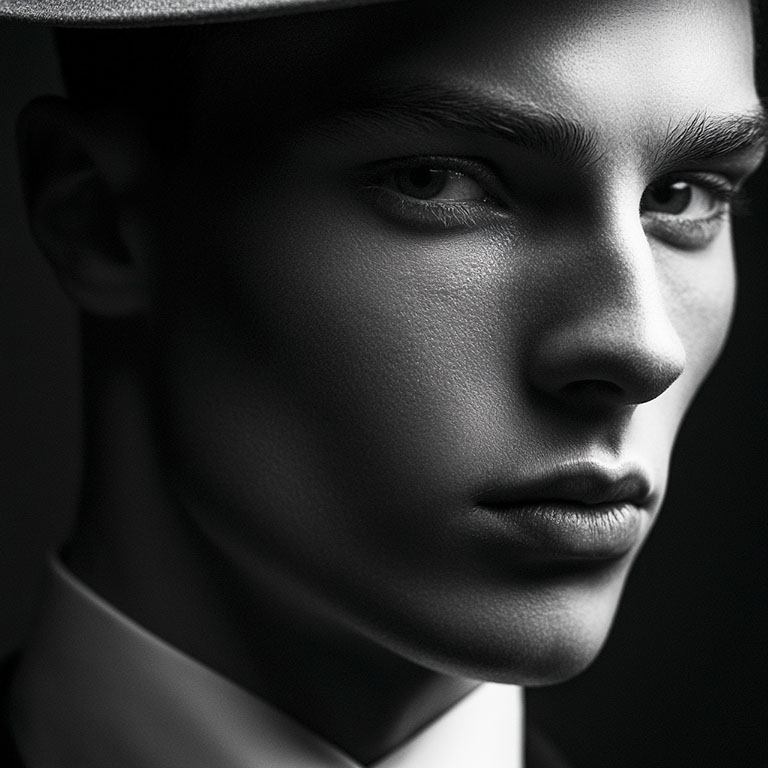
Low-Key Photography

Emphasises dark tones and contrast for dramatic, moody visuals

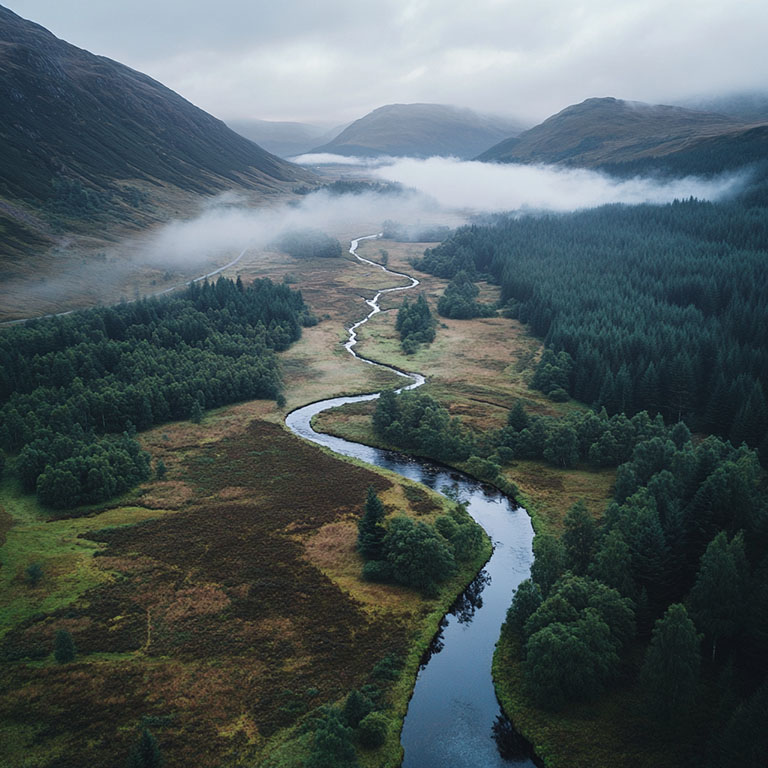
Aerial Photography

Captures scenes from above, showcasing expansive landscapes or cityscapes

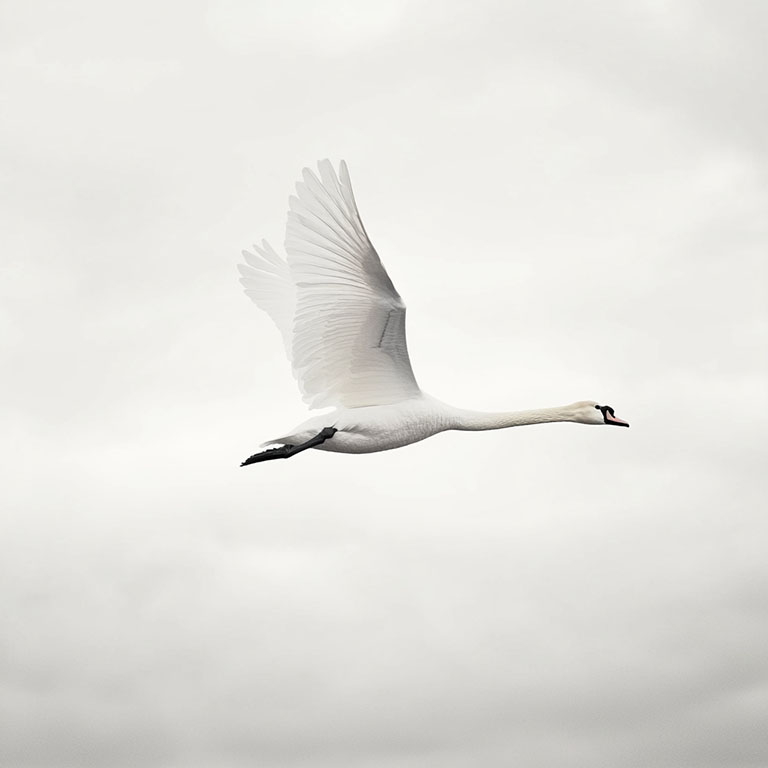
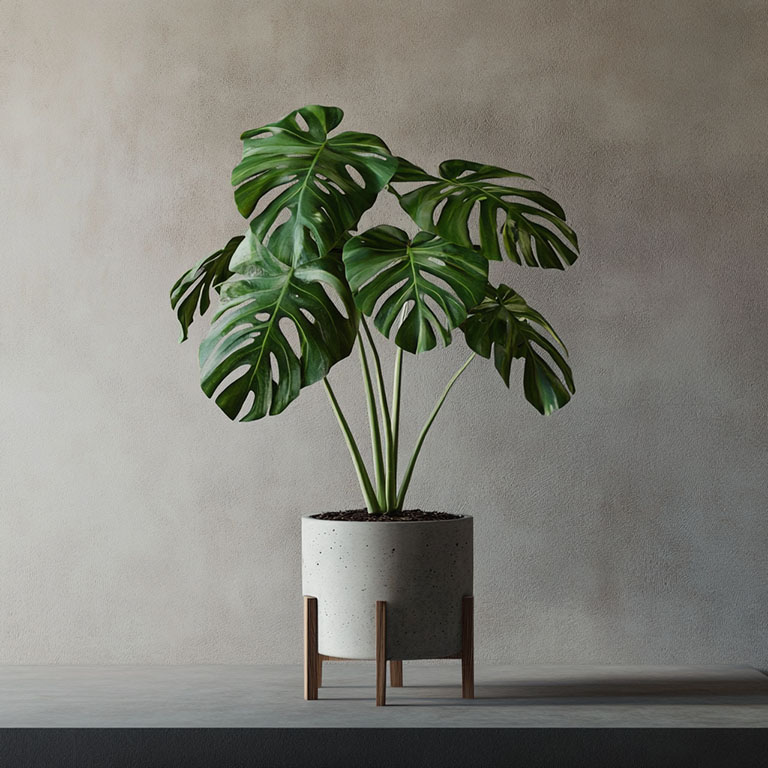
Minimalist Photography

Uses simplicity and negative space to focus on the subject’s essence

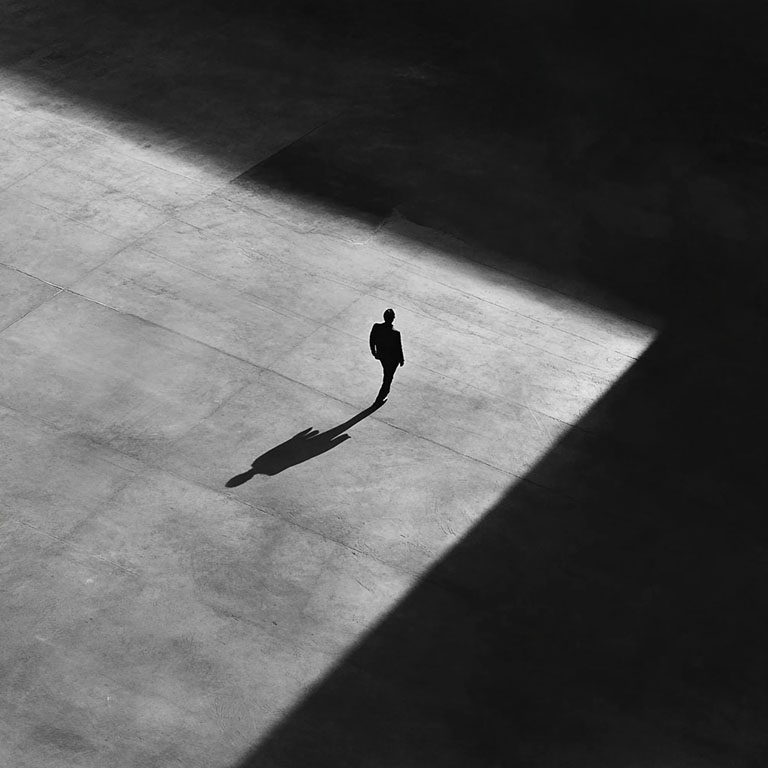
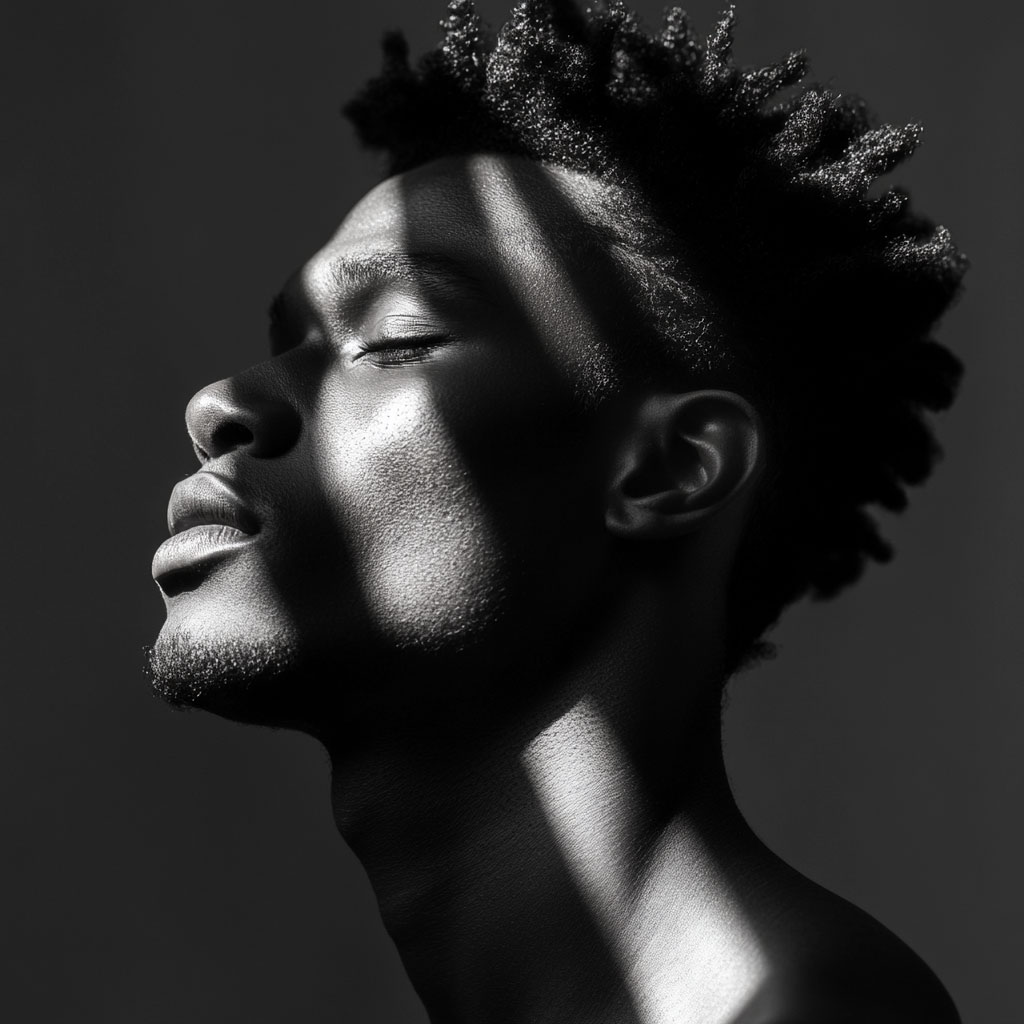
Shadow Photography

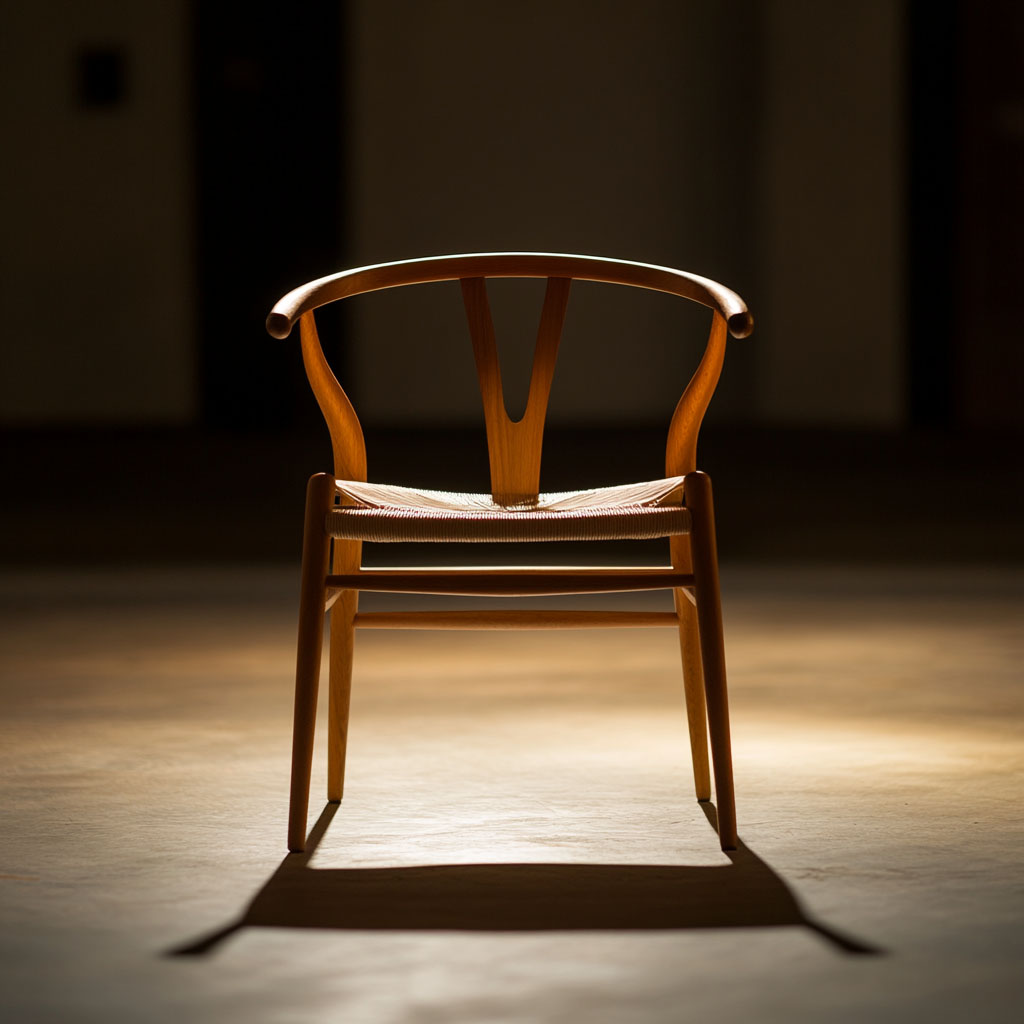
Plays with shadows to add depth, mystery, and creative elements to the image

Eye-Level

Places the camera at the subject’s eye height, offering a neutral perspective

Low Angle

Shoots upward from below the subject, emphasizing power, dominance, or grandeur

High Angle

Shoots downward from above the subject, making it appear smaller or more vulnerable

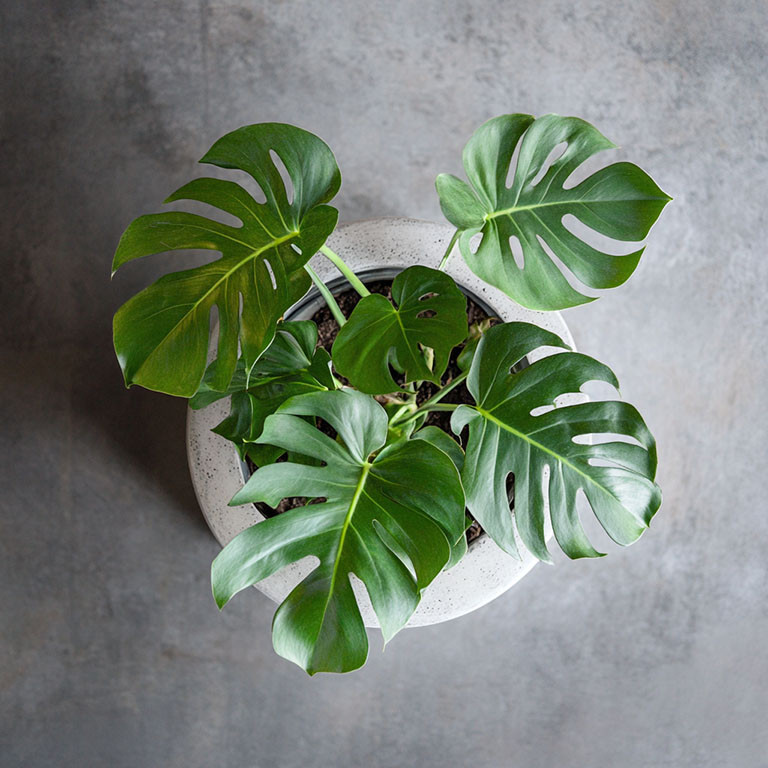
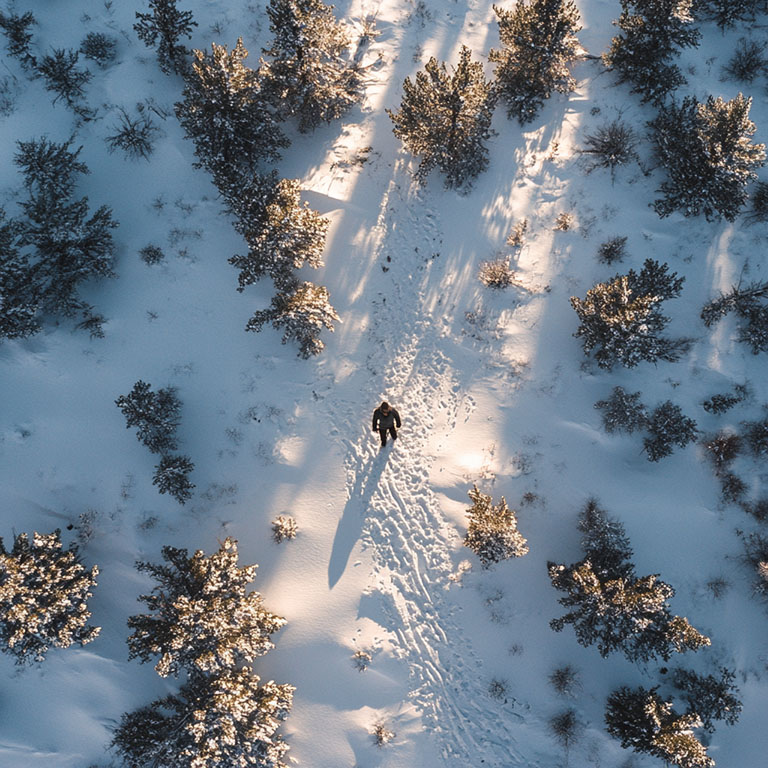
Bird’s-Eye View

Captures the scene directly from above, offering a unique, detached perspective

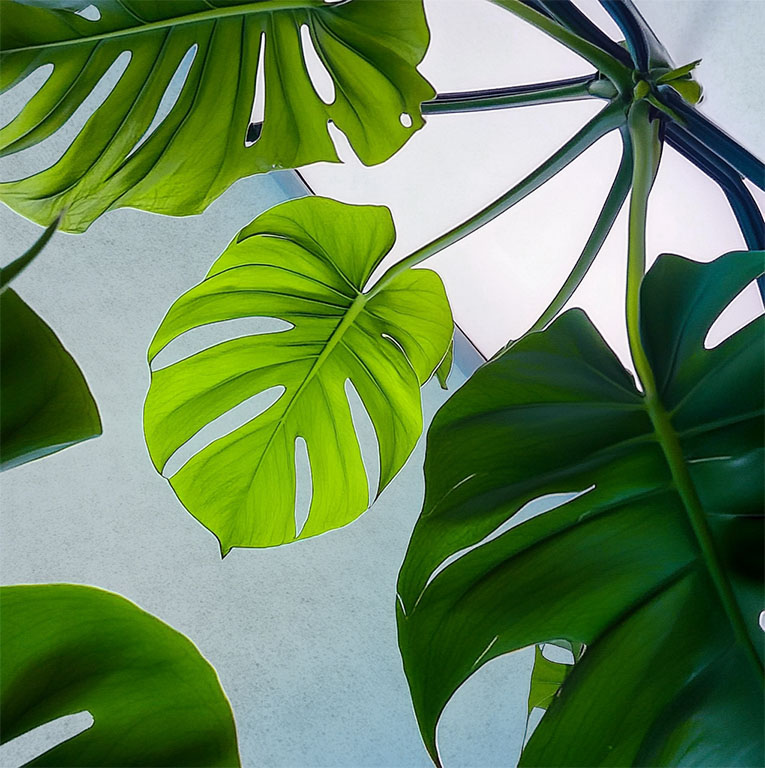
Worm’s-Eye View

Shoots from ground level upward, emphasizing height or an immersive feel

Close-Up

Focuses tightly on a specific part of the subject, highlighting details or emotion

Extreme Close-Up

Magnifies a tiny detail, such as an eye or hand, for dramatic emphasis

Medium Shot

Frames the subject from the waist up, balancing detail and context

Drone Shot

Captures scenes from high altitudes, offering expansive and unique aerial perspectives

Full Shot

Shows the entire subject in the frame, emphasizing body language or movement

Establishing Shot

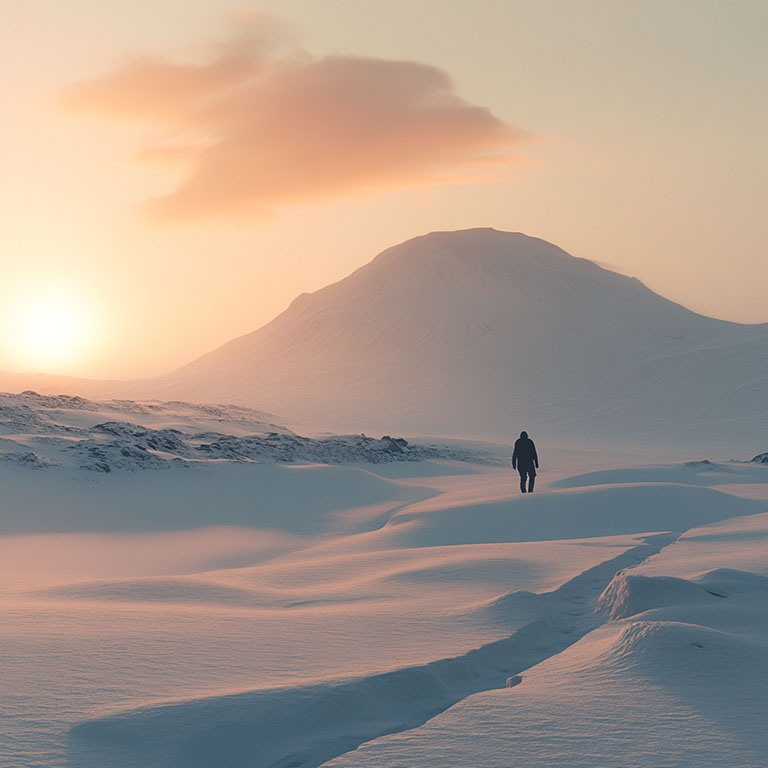
Captures a vast scene with the subject small or absent, establishing context

Over-the-Shoulder

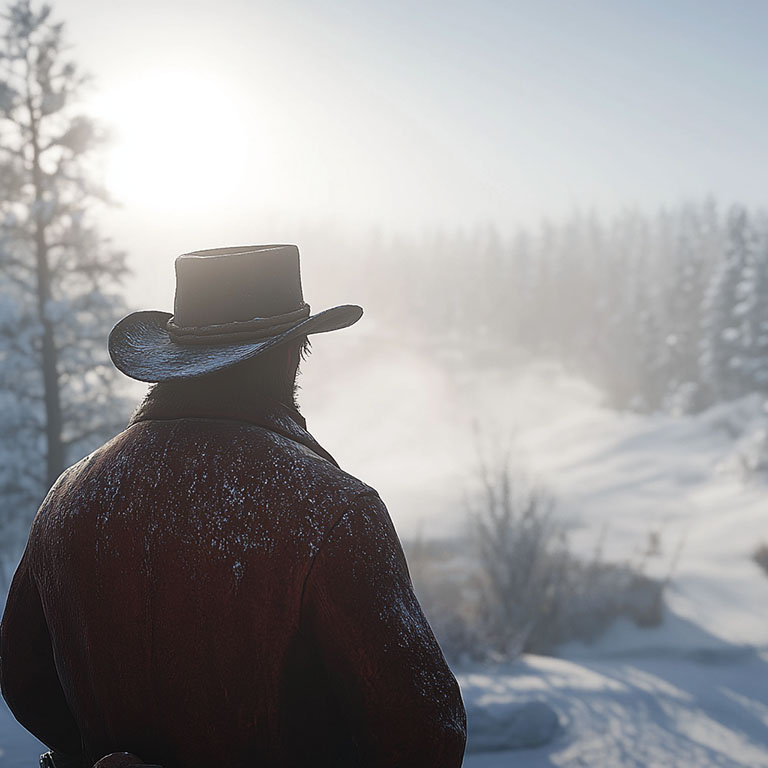
Shoots from behind a subject’s shoulder, creating a sense of perspective or dialogue

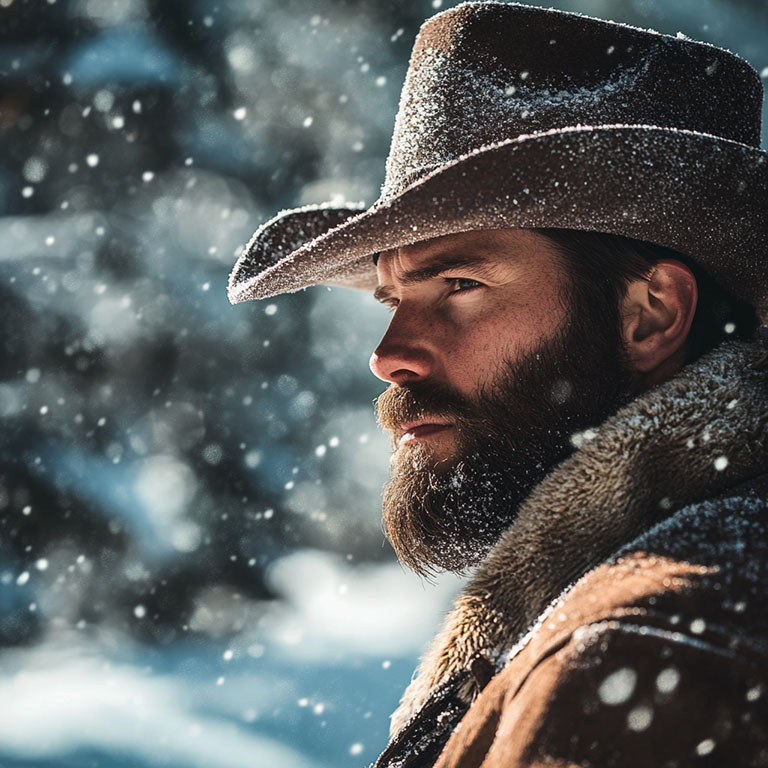
Side Profile

Captures the subject’s face in profile, emphasising their silhouette and features

Point of View

Mimics the subject’s perspective, immersing the viewer in their experience

Dutch Angle

Tilts the horizon line for a dynamic or unsettling effect

Tracking Shot

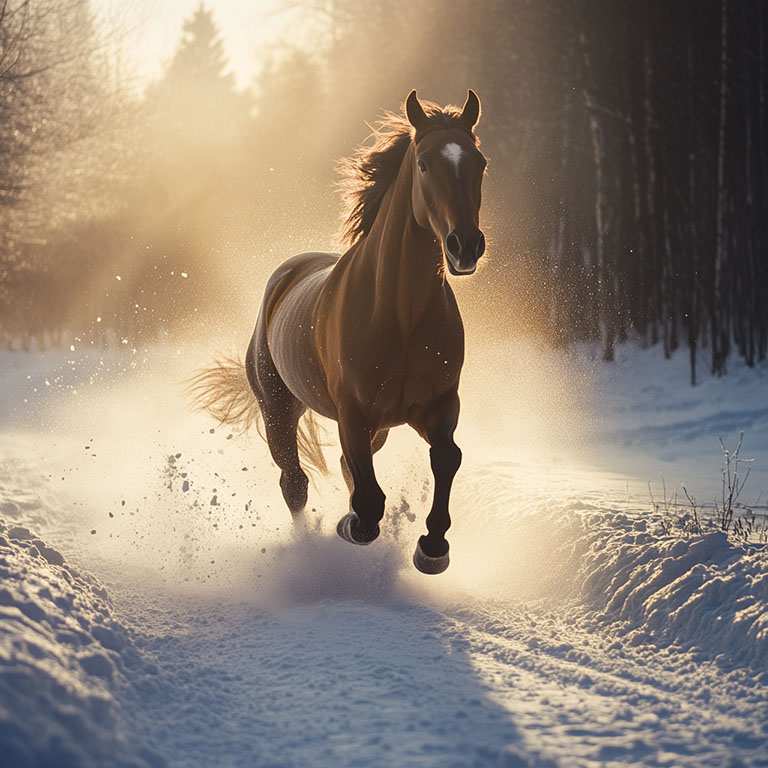
Moves with the subject, following its motion to create dynamic energy

Reflection Angle

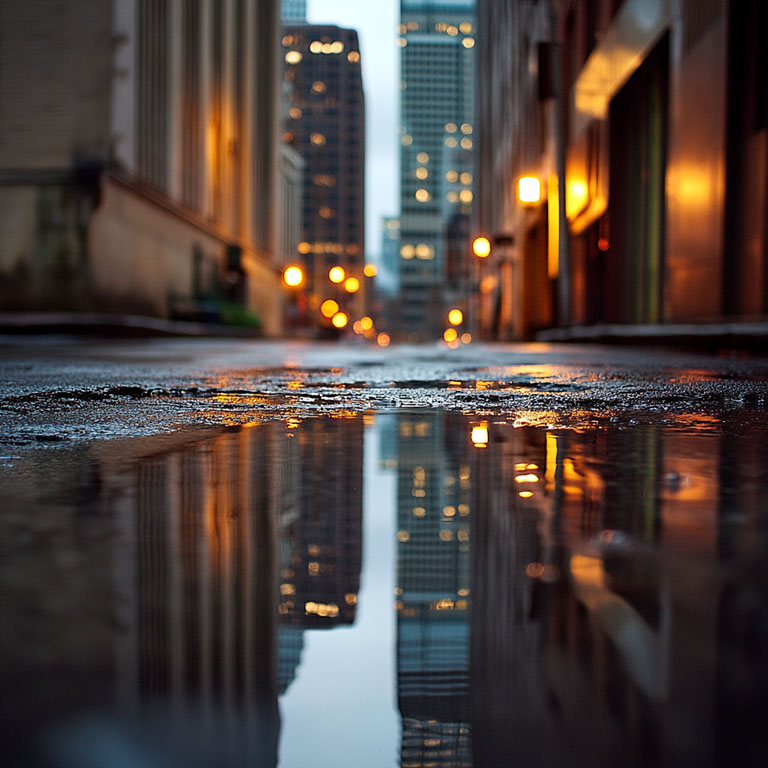
Captures the subject indirectly through a reflective surface like water or glass, adding layers

Natural Light

Light from the sun that changes throughout the day

Studio Lighting

Controlled lighting to illuminate subjects with less shadow

Backlight

Light from behind the subject, creating a silhouette or glow

Fluorescent Lighting

Bright (often coloured) light from gas filled tubes

Low-Key Lighting

Dark and moody lighting with strong shadows for intense and dramatic compositions

High-Key Lighting

Bright and low-contrast lighting used for cheerful, clean, and minimalistic imagery

Side Lighting

Light coming from one side, adding depth and dramatic shadows

Overhead Lighting

Light positioned directly above the subject, creating shadows for a dramatic or harsh look

Golden Hour Lighting

Warm, soft, and directional light occurring shortly after sunrise or before sunset

Blue Hour Lighting

Cool, diffused light occurring during twilight, ideal for dreamy aesthetics

Rembrandt Lighting

Creates a triangular patch of light under one eye for a classic, moody portrait look

Split Lighting

Illuminates half the subject’s face, creating a sharp contrast for dramatic effects

Butterfly Lighting

Light placed above and in front of the subject, forming a butterfly-shaped shadow under the nose

Hard Lighting

Direct light that produces sharp shadows and a stark, edgy look.

Soft Lighting

Diffused light that minimizes shadows for a flattering and gentle effect

Fisheye Lens

Sigma 8mm f/3.5 EX DG Circular Fisheye

An ultra-wide angle creating a circular, distorted image

Wide-Angle Lens

Nikon AF-S NIKKOR 20mm f/1.8G ED

Short focal length that captures a wider field of view

Standard Lens (50mm)

Canon EF 50mm f/1.8 STM

A natural perspective to capture close up details

Macro Lens

Tamron SP 90mm f/2.8 Di Macro 1:1 VC USD

Designed for closeup photography to capture finer details

Telephoto Lens

Sony FE 200mm f/2.8 GM OSS II

Magnifies distant subjects, ideal for wildlife, sports, and portrait photography

Super Telephoto Lens

Canon RF 800mm f/11 IS STM

Offers extreme zoom capabilities for capturing subjects far away, such as in bird or astrophotography

Cine Lens

Rokinon Xeen 50mm T1.5

Designed for filmmaking, offering smooth focus and aperture adjustments

Prime Lens

Sigma 35mm f/1.4 DG HSM Art

Fixed focal length with superior sharpness and often larger apertures for better low-light performance

Portrait Lens (85mm)

Sony FE 85mm f/1.4 GM

Typically around 85mm, delivers flattering compression and shallow depth of field for portraits

Wide-Aperture Lens

Sigma 50mm f/1.2 DG DN Art

Features a large maximum aperture, ideal for low-light conditions and bokeh effects

Pancake Lens

Canon EF 40mm f/2.8 STM

A thin, lightweight lens with a fixed focal length, great for compact setups and street photography

Understand the Fundamentals

The Gen

AI Guide

Learn the basics of how to structure an initial prompt, understand key parameters for better photography, and discover the importance of lighting, angles and lenses.